Designing Spaces with Modular Touch Lighting: Tips and Tricks
James Clarke ·
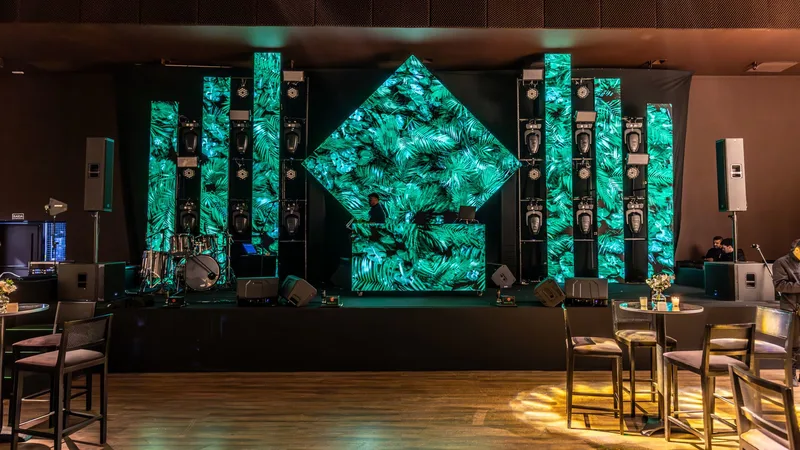
In contemporary design, effective lighting can enhance the ambiance and functionality of any space. Modular touch lighting systems offer flexibility, allowing users to customize their lighting…
Understanding Modular Touch Lighting
Modular touch lighting is an innovative technology that allows users to control lighting through touch-sensitive modules. This system offers flexibility, enabling individuals to customize their lighting setups according to their preferences. By using interconnected panels or modules, users can create a unique lighting design that enhances functionality. The ease of installation and adaptability make modular touch lighting a popular choice for modern interiors
What is Modular Touch Lighting?
Modular touch lighting consists of individual light panels that can be arranged in various configurations to suit the user's style. Each panel responds to touch, allowing for effortless control over brightness and color. This technology often incorporates smart features, enabling integration with home automation systems for added convenience. With its sleek design, modular touch lighting is changing how we approach illumination in our homes.
Benefits of Modular Touch Lighting
One of the key advantages of modular touch lighting is its versatility in design. Homeowners can create unique arrangements that reflect their personal aesthetics while optimizing functionality. Additionally, these systems promote energy efficiency by allowing users to adjust lighting levels based on activities. The ease of use and customization options make modular touch lighting appealing for anyone looking to enhance their home environment.
Designing Spaces with Touch Lighting
Incorporating modular touch lighting into your home design can significantly impact the ambiance of various rooms. By strategically placing touch-sensitive panels, you can create a cohesive look that enhances both functionality and aesthetic appeal. Whether in living rooms, kitchens, or bedrooms, touch lighting can transform ordinary spaces into inviting areas that serve multiple purposes. This adaptability allows homeowners to cater to their specific needs, making it a valuable addition to any design plan.
Integrating Touch Lighting into Different Rooms
When integrating touch lighting into rooms, consider the specific functions and atmosphere each space requires. For example, in a living room, a combination of soft and adjustable lighting can create a welcoming environment for gatherings. In contrast, a kitchen benefits from bright, task-oriented lighting that can be easily adjusted for cooking and entertaining. By tailoring the lighting setup to each room's purpose, you enhance both functionality and visual appeal.
Creating Mood and Ambiance
Using modular touch lighting effectively can influence the mood and ambiance within your home. By adjusting brightness and color, you can evoke different feelings and enhance specific activities. For a relaxing evening, dimmer settings with warm tones create a cozy atmosphere, while brighter, cooler tones energize spaces during the day. This versatility allows homeowners to easily shift the ambiance, similar to how casino environments utilize lighting to create an enticing atmosphere for entertainment.
Practical Tips for Effective Lighting Design
Designing spaces with modular touch lighting requires a thoughtful approach to ensure aesthetic appeal and functionality. The right lighting can transform a room, enhancing its atmosphere and usability. When selecting fixtures, consider factors such as energy efficiency, lumens output, and compatibility with existing decor. This will help create an inviting environment tailored to your specific needs while maximizing the benefits of touch technology.
Choosing the Right Fixtures
When selecting modular touch lighting, prioritize versatility and ease of use. Look for fixtures that offer adjustable brightness levels and color temperatures to suit various moods. It’s also wise to consider the size of the fixtures in relation to your space; larger rooms may require more substantial pieces, while smaller areas benefit from compact designs. Finally, assess the quality of materials and craftsmanship to ensure durability in your lighting choices.
Layout and Placement Strategies
Strategic placement of modular touch lighting can significantly enhance the ambiance of a space. Start by identifying key areas that require illumination, such as workspaces, reading nooks, or entertainment zones. Use a layered approach, combining ambient, task, and accent lighting to create depth and interest. Pay attention to the height and angle of fixtures to minimize shadows and maximize brightness, ensuring that every corner of the room is well-lit and inviting.
Innovative Applications of Touch Lighting
Modular touch lighting has found its way into various commercial and residential applications, showcasing its versatility. Businesses are increasingly adopting this technology to enhance customer experiences and streamline operations. In homes, creative implementations allow for personalized lighting solutions that adapt to different activities and moods. The adaptability of touch lighting makes it an excellent choice for both sectors, paving the way for innovative designs.
Commercial Use Cases
In commercial settings, modular touch lighting is utilized to create dynamic environments that engage customers. Restaurants often use these systems to shift lighting to match dining times, from bright and lively during lunch to dim and intimate during dinner. Retail spaces benefit by using touch lighting to highlight products or create focal points that draw customers in. Such applications enhance aesthetic appeal and contribute to improved customer satisfaction.
Creative Home Projects
Homeowners are embracing modular touch lighting for unique projects that reflect personal style and functionality. From smart kitchen lighting that adjusts based on cooking tasks to customizable living room setups that change with entertainment needs, the possibilities are vast. Many integrate touch lighting into home automation systems, allowing for seamless control via smartphones or voice commands. This trend elevates the home environment and aligns with modern lifestyles, making daily living more convenient.
Future Trends in Lighting Technology
The field of lighting technology is rapidly evolving, driven by advancements that enhance functionality and aesthetics. Innovations in modular touch lighting are at the forefront, offering customizable solutions for a variety of environments. As we look ahead, the integration of smart technology and user-friendly interfaces will redefine how we interact with lighting. These changes promise improved efficiency and a more personalized experience in our daily lives.
Emerging Technologies in Lighting
Recent advancements in lighting technology include the development of LED systems that adapt to user preferences and environmental conditions. Innovations like tunable white lighting allow for adjustments in color temperature, creating an ambiance that shifts from cool to warm depending on the time of day. Additionally, the rise of IoT-enabled lighting systems enables remote control and automation, providing convenience and energy savings. These technologies are paving the way for a future where lighting is an integral part of a smart home ecosystem.
Sustainability in Lighting Design
There is a shift towards eco-friendly options in lighting design, with manufacturers prioritizing sustainability in their products. The use of energy-efficient LEDs is becoming standard, reducing energy consumption and carbon footprints. Furthermore, many companies are exploring biodegradable materials and recyclable components, aligning with global sustainability goals. As consumers become more environmentally conscious, the demand for sustainable lighting solutions will grow, influencing design choices across various sectors.
Connecting Lighting Design to Casino Entertainment
Lighting plays a crucial role in creating the atmosphere of a casino, influencing everything from mood to player engagement. The right lighting enhances the excitement of gaming areas, drawing players in and encouraging longer stays. In casino environments, lighting design is a strategic tool used to enhance the overall experience. As we explore the intersection of lighting design and casino entertainment, the potential for innovation becomes clear.
The Role of Lighting in Casino Environments
In casinos, lighting serves multiple purposes, from guiding players through the space to highlighting key gaming areas. Bright, dynamic lighting creates an exhilarating atmosphere, while softer, ambient lighting promotes relaxation in lounge areas. The strategic use of colors can evoke emotions and influence player behavior, making lighting essential in casino design. Understanding the psychology of lighting helps casino operators create a welcoming and exciting environment that keeps players engaged.
Maximizing Engagement with Modular Touch Lighting
Modular touch lighting offers a unique opportunity to enhance the casino experience by allowing customizable lighting schemes that adapt to the time of day or specific events. By integrating these systems, casinos can create immersive environments that respond to player activity, enhancing engagement. For instance, during high-stakes games, focused lighting can highlight tables and create an intense atmosphere, while festive events can feature vibrant displays. This adaptability improves aesthetic appeal and fosters a deeper connection between players and their surroundings.