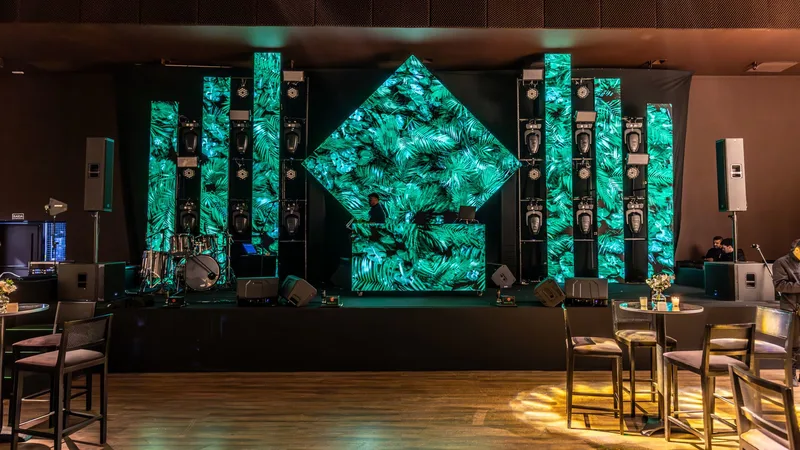
Imagine stepping into a room where the ambiance shifts with a mere touch. Modular touch lighting systems revolutionize how we interact with our environments, providing personalized and dynamic lighting solutions that cater to individual preferences and needs
By incorporating advanced technology and user-friendly designs, modular touch lighting enhances aesthetics and functionality. As we explore the latest innovations in this field, we will uncover how these systems transform any space into a modern haven.
Understanding Modular Touch Lighting Technology
Modular touch lighting technology represents a significant advancement in illuminating our spaces. At its core, this system comprises individual light modules that can be easily arranged and reconfigured to suit various needs and preferences. Users control the brightness and color of each module through intuitive touch controls, allowing for a highly customizable lighting experience. This flexibility caters to many applications, from residential settings to commercial environments, making it a versatile choice for modern lighting solutions.
Basics of Modular Touch Systems
Modular touch systems operate on a straightforward principle: each module is equipped with touch-sensitive controls that respond to user interaction. You can simply tap or swipe on the module to adjust settings, such as brightness or color temperature. The individual modules connect wirelessly or through a centralized hub, allowing seamless integration into your existing electrical systems. Users can create unique lighting arrangements that adapt to different activities, moods, or times of day, enhancing the overall ambiance of their spaces.
Advantages Over Traditional Lighting
One primary advantage of modular touch lighting is its adaptability. Unlike traditional lighting fixtures, which can be cumbersome and fixed in place, modular systems allow easy reconfiguration without extensive electrical work. This saves time and effort and enables users to experiment with different layouts. Additionally, the energy efficiency of modern LED modules translates into cost savings on energy bills, while the ability to control lighting via touch enhances user convenience and satisfaction
Designing Your Space with Modular Touch Lighting
Designing your space with modular touch lighting requires thoughtful consideration of both functionality and aesthetics. The modular nature of these systems means they can be tailored to fit various room layouts and design themes. Choosing the right configuration enhances not only the practicality of the lighting but also the visual appeal of the space. As more people seek innovative solutions to personalize their environments, integrating modular touch lighting can create a unique atmosphere that reflects individual style.
Choosing the Right Setup
When selecting a modular touch lighting setup, consider the specific needs of your space. Assess the dimensions of the area and determine the primary functions of the lighting, whether for ambient, task, or accent purposes. It's advisable to create a layout that maximizes light distribution while allowing for easy adjustments based on varying activities. Additionally, think about connectivity options and how they align with your existing smart home devices, as this will enhance the overall user experience.
Integration with Home Decor
To harmonize modular touch lighting with your existing decor, consider the color palettes and materials already present in your space. Opt for lighting modules that complement or contrast effectively with your furnishings and wall colors. This can create a cohesive look that enhances the overall design. Furthermore, pay attention to the style of the modular lights themselves; whether sleek and modern or warm and traditional, their design should align with your personal aesthetic. Engaging lighting can also enhance the experience of activities, including entertaining guests or enjoying leisure time, similar to the ambiance found in casino entertainment venues.
Installation and Maintenance of Touch Lighting
Setting up modular touch lighting can significantly enhance the ambiance of any space. A clear understanding of installation and maintenance practices is essential for achieving optimal performance. Whether you’re a DIY enthusiast or just starting, a structured approach will ensure that your lighting system operates efficiently. This section provides valuable insights into the installation process and maintenance tips that will keep your touch lighting in top condition
DIY Installation Tips
When installing modular touch lighting, start by planning your layout carefully. Measure the space and determine your power sources, ensuring that you have all necessary tools at hand. Begin by securely mounting the touch panels according to the manufacturer's guidelines, ensuring proper alignment and wiring. Once installed, test each module to confirm functionality before finalizing the setup. This methodical approach minimizes errors and enhances the overall effectiveness of your lighting system.
Maintenance Best Practices
Regular maintenance is crucial for the longevity of your modular touch lighting. Clean the surfaces of the touch panels gently with a soft, damp cloth to prevent dust accumulation. Inspect the wiring connections periodically to ensure they remain secure and free of damage. It’s also wise to update any software connected to your lighting system, as manufacturers often release updates that improve functionality. Following these best practices keeps your touch lighting performing optimally for years to come.
Exploring Smart Features in Touch Lighting
The evolution of modular touch lighting has brought forth innovative smart features that enhance user experience. Connectivity options such as Wi-Fi and Bluetooth allow seamless integration with smart home systems. This connectivity facilitates easy control of lighting settings from your smartphone and opens up possibilities for automation. Understanding these features can help you make the most of your lighting investment, creating an intelligent environment tailored to your lifestyle.
Connectivity and Control Options
Modern touch lighting systems boast impressive connectivity options that can elevate functionality. Many systems now offer compatibility with popular smart home ecosystems, enabling voice control through devices like Amazon Alexa or Google Assistant. This means you can adjust your lighting with simple commands, adding convenience to your daily routine. Additionally, many models come with dedicated apps that allow for remote control and customizable settings, giving users complete command over their lighting environments.
Energy Efficiency Innovations
The latest advancements in touch lighting technology have significantly improved energy efficiency. New LED modules consume less power while providing brighter illumination, which translates into lower energy bills. Many systems also incorporate smart sensors that adjust brightness based on ambient light, further reducing energy consumption. As energy efficiency becomes a priority for homeowners, these innovations enhance sustainability and contribute to a more eco-friendly lifestyle.
The Future of Modular Touch Lighting
As we look ahead to 2026, the modular touch lighting industry is poised for significant advancements. Innovations in technology are expected to enhance user interaction, allowing for more personalized and intuitive lighting solutions. These developments could include improved sensitivity, customizable color palettes, and integration with smart home systems. The focus will likely be on creating lighting that serves functional needs and enhances the aesthetic appeal of any space.
Trends to Watch in 2026
Emerging trends in touch lighting technology are set to revolutionize how we think about illumination. One notable trend is the incorporation of energy-efficient LEDs that offer both longevity and versatility in design. Additionally, the rise of voice-activated controls and mobile applications will make it easier for users to manage their lighting environments. Expect more seamless integration of modular touch lighting in both residential and commercial settings, providing flexibility and a tailored experience.
Potential Market Growth
The modular touch lighting market is anticipated to experience growth over the next few years. Analysts predict that as consumer demand for smart home technologies increases, so will the adoption of innovative lighting solutions. The market is expected to expand due to greater awareness of energy efficiency and sustainability. Companies are likely to invest in research and development to meet evolving consumer preferences, driving further advancements in this exciting field.
Connecting Modular Touch Lighting to Casino Entertainment
The integration of modular touch lighting into casino environments offers a unique opportunity to enhance the overall ambiance and guest experience. With the ability to adjust lighting dynamically, casinos can create different moods that cater to various gaming experiences. Whether it's a vibrant atmosphere for slot machines or a more subdued setting for table games, modular touch lighting plays a pivotal role in shaping the casino's environment. This adaptability ensures that every visitor feels engaged and entertained throughout their stay.
Enhancing Casino Ambiance
Modular touch lighting can significantly improve casino experiences by creating visually stimulating environments that attract players. By strategically placing adjustable lighting in key areas, casinos can draw attention to high-stakes tables or promote specific games. Additionally, using color-changing lights can help set the tone for different times of day or themed events. This tailored approach enhances the aesthetic and encourages longer visits and increased player engagement.
Promotional Opportunities with Online Casinos
As the online casino industry continues to grow, there are promotional opportunities that can leverage innovative lighting solutions. Online casinos can use modular touch lighting as part of their branding, creating enticing visuals for live dealer games or special events. By offering bonuses tied to lighting-themed promotions, operators enhance player experiences and encourage participation. This connection between advanced lighting technology and online gaming could lead to unique marketing strategies that attract new users and keep existing players engaged.